
Property Search helps users find public property records, tax records, parcel records, assessor records, and land records from counties across the United States. Property Search provides a simple way to locate official county resources by searching with a property address, parcel number, owner name, ZIP code, city, or county. The available records often include ownership history, assessed value, legal descriptions, property boundaries, deed information, and real estate details. This nationwide resource saves time by directing users to the correct public records source for residential, commercial, agricultural, and vacant land properties.
Property Records Search
Property Search supports homeowners, home buyers, real estate professionals, investors, attorneys, title companies, and researchers who need reliable public property information. Property Search makes it easier to review property tax records, assessment data, parcel maps, land ownership records, building details, recorded documents, and sales history before making important real estate decisions. County records are updated by local government offices, so available information may differ by location. Use the search box below to quickly find official property records anywhere in the United States.
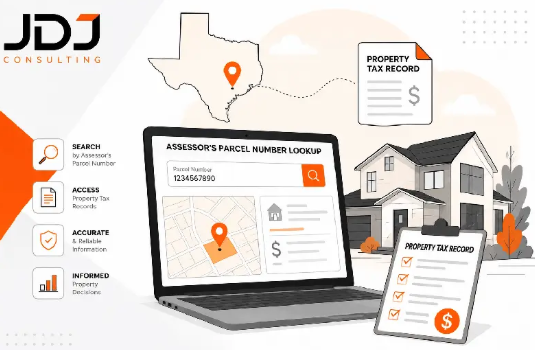
What Information Can Property Search Provide?
A property search can provide many types of public information recorded by county and local government offices. The available records often include ownership details, tax data, parcel information, assessed values, land records, building facts, and property maps.
The exact information depends on the county and state where the property is located. Most counties maintain public databases that are updated after property sales, tax assessments, deed recordings, permits, and other official filings. These records help buyers, sellers, homeowners, investors, researchers, title companies, and legal professionals verify important property details.
| Record Type | What It May Include |
|---|---|
| Ownership Records | Current owner, ownership history, deed details |
| Property Tax Records | Tax amount, assessed value, payment status |
| Parcel Information | Parcel number, lot size, legal description |
| Assessment Records | Assessed value, market value, tax classification |
| Property Characteristics | Property type, bedrooms, bathrooms, square footage |
| Sale History | Previous sales, transfer dates, sale prices |
| Land Records | Deeds, easements, plats, recorded documents |
| Building Information | Construction year, permits, improvements |
| GIS Property Maps | Parcel boundaries, aerial imagery, zoning layers |
Property Ownership Records
Property ownership records identify the current owner of a property based on recorded public documents. Many counties keep ownership records that include previous owners, transfer dates, deed references, and the mailing address used for tax notices. Ownership records help verify who legally owns a property before a sale, refinance, inheritance, or legal transaction. These records are updated after a deed is officially recorded by the county recorder or clerk.
Property Tax Records
Property tax records show how much property tax has been assessed and whether payments have been made. Counties calculate taxes using assessed property values and local tax rates.
Property tax records may include:
- Annual tax amount
- Assessed value
- Tax exemptions
- Payment history
- Delinquent taxes
- Tax district information
Parcel Information
Every property is assigned a unique parcel number by the local assessor or mapping department. This number links the property to official county records.
Parcel information commonly includes:
- Parcel Identification Number (PIN)
- Lot size
- Block and subdivision
- Legal description
- Property boundaries
- Acreage
Assessed Value
The assessed value is the value assigned by the county assessor for property tax purposes. It is not always the same as the current market value or selling price.
Assessment records may include:
- Current assessed value
- Land value
- Improvement value
- Assessment year
- Property classification
- Assessment history
Property Characteristics
Property characteristics describe the physical features of a property. County assessors collect this information during inspections, permit reviews, and assessment updates.
Typical property details include:
- Property type
- Year built
- Living area
- Number of bedrooms
- Number of bathrooms
- Garage or parking
- Lot dimensions
- Construction materials
Sale History
Sale history records show previous ownership transfers and recorded sale prices when available. Reviewing past transactions can help identify ownership changes over time.
Sale history may include:
- Sale date
- Recorded sale price
- Buyer and seller names
- Deed type
- Transfer document number
Land Records
Land records document the legal history of a property. These records are maintained by county recorder or clerk offices after official documents are filed.
Land records often include:
- Warranty deeds
- Quitclaim deeds
- Easements
- Plats
- Boundary descriptions
- Right-of-way documents
- Mortgage recordings
- Release documents
Building Information
Building information contains details about structures located on the property. Counties collect this data through assessments, building permits, and inspection records.
Building records may include:
- Construction year
- Number of stories
- Building size
- Finished living area
- Construction type
- Renovation history
- Permit records
- Building use
GIS Property Maps
Geographic Information System (GIS) property maps provide a visual view of parcel boundaries and nearby features. Many county governments maintain interactive GIS mapping systems for public use.
GIS maps may display:
- Parcel boundaries
- Property dimensions
- Aerial imagery
- Street locations
- Zoning districts
- Flood zones
- School districts
- Nearby parcels
Property Search Categories
Property search includes several types of public records maintained by county and local government offices across the United States. Each category focuses on a different type of record, making it easier to locate property information for homes, land, commercial buildings, and vacant lots.
Property Records
Property records bring together the most important public information about a property in one place. These records commonly include ownership details, parcel numbers, tax assessments, legal descriptions, building information, sales history, and recorded documents. County assessor, recorder, clerk, and tax offices maintain these records as part of their public responsibilities. Property records are often used before buying or selling real estate, researching ownership history, verifying tax information, or reviewing property characteristics. Since each county maintains its own database, the records available online may differ from one jurisdiction to another.
Property Lookup
Property lookup helps locate a specific property using information such as a street address, parcel number, owner name, or ZIP code. Many county websites provide searchable databases that return public records related to ownership, assessments, tax information, parcel details, and recorded documents. A property lookup is often the fastest way to identify a property within a county database and review available public information. Search methods and available records depend on the county and state maintaining the database.
Property Tax Search
Property tax search focuses on tax records maintained by county tax offices. These public records commonly include assessed values, annual property taxes, payment history, tax exemptions, tax districts, and any unpaid balances listed by the county. Homeowners use tax records to review annual tax obligations, while buyers and investors use them to estimate future ownership costs. Tax information is updated after assessments, payments, appeals, and annual billing cycles according to local government procedures.
Parcel Search
Parcel search helps identify land using a unique parcel identification number assigned by the county. Parcel records often include lot size, acreage, legal descriptions, subdivision information, parcel boundaries, and mapping references. Since every parcel number is unique within a county, it provides an accurate way to identify a specific property. Parcel searches are commonly used during surveys, title work, land development, boundary reviews, and real estate transactions where accurate property identification is important.
Property Owner Search
Property owner search focuses on publicly available ownership records connected to a property. Depending on county policies and state public record laws, these records may include the current owner’s name, mailing address for tax purposes, ownership history, and recorded deed information. Buyers, lenders, legal professionals, and researchers often review ownership records before completing a property transaction or conducting title research. Some counties limit the amount of owner information available through online databases.
Property Assessor
County assessor offices maintain assessment records used to calculate property taxes. These records often include assessed value, land value, improvement value, property classification, lot size, building characteristics, and assessment history. Assessors update records after inspections, permit activity, property improvements, or scheduled reassessments. Property owners review assessor records to compare assessed values, while buyers and investors use them to evaluate properties and review assessment trends within a county.
Land Records
Land records document the legal history of real estate and are maintained by county recorder or clerk offices. These records commonly include deeds, easements, plats, subdivision maps, boundary descriptions, mortgages, releases, and other recorded documents. Land records help establish ownership history and property rights while providing legal documentation connected to a parcel of land. Many counties maintain searchable indexes that allow public record searches based on names, document numbers, or property information.
Property Deeds
Property deeds are legal documents that record the transfer of property ownership from one party to another. Recorded deeds typically include the names of the buyer and seller, legal property descriptions, recording dates, document numbers, and the type of deed used during the transaction. Reviewing deed records helps confirm ownership history and verify that a property transfer has been officially recorded. County recorder or clerk offices maintain these documents as part of the public land record system.
GIS Property Maps
GIS property maps provide a visual display of parcel boundaries and property locations using digital mapping systems maintained by county GIS departments. These interactive maps often display parcel lines, aerial imagery, roads, zoning districts, flood zones, school districts, and nearby properties. GIS maps help users identify property locations, compare neighboring parcels, and review land boundaries before examining detailed public records. Many county GIS systems support searches by address, parcel number, or owner name.
How Property Search Works
Property search works by matching the information entered by a user with public records maintained by county and local government offices. A search can begin with a property address, parcel number, owner name, or county record database, depending on the information available. Most property records are stored by county agencies such as the assessor, recorder, clerk, tax collector, or GIS department. After a search is submitted, the system locates matching public records and displays the available property information. The amount of data shown depends on the county’s online database and state public record laws.
| Search Method | Common Information Required | Typical Results |
|---|---|---|
| Address Search | Street address | Property details, taxes, parcel data |
| Parcel Number Search | Parcel or PIN number | Exact parcel record and legal details |
| Owner Name Search | Owner’s full or partial name | Properties linked to the owner |
| County Records Search | County database | Public property records and recorded documents |
Search by Address
Searching by property address is one of the most common ways to locate public property records. Entering a complete street address helps the county database identify the correct property and return available records. Search results may include ownership information, assessed value, property taxes, parcel details, building characteristics, sales history, and recorded documents. Using the full property address usually provides the most accurate results, especially in counties with large property databases.
Search by Parcel Number
A parcel number, often called a Parcel Identification Number (PIN) or Assessor’s Parcel Number (APN), is a unique identifier assigned by the county. Searching with this number usually returns the exact property record without matching similar addresses or owner names. Parcel number searches commonly display legal descriptions, lot size, acreage, parcel boundaries, assessed values, tax records, and ownership information. This method is widely used by surveyors, title companies, real estate professionals, and property owners.
Search by Owner Name
Many county databases allow searches using the current property owner’s name. Entering a full name or part of a name can return properties connected to that owner, depending on local public record rules. Search results may include property addresses, parcel numbers, ownership history, assessment records, and tax information. Some counties limit online owner searches or remove certain personal details to protect privacy and comply with state laws.
Search Through County Records
County offices maintain the official records used during a property search. These offices commonly include the county assessor, recorder, clerk, tax collector, and GIS department. Each agency manages a different type of property information, such as assessments, deeds, tax records, parcel maps, or recorded documents. Many counties provide online databases, while older records or documents may only be available through in-person requests or public record services.
View Available Property Information
After a successful search, the available public records are displayed based on the county’s database and local record policies. The amount of information varies by jurisdiction, though many counties provide a wide range of property details.
Search results may include:
- Current ownership information
- Property tax records
- Parcel number and legal description
- Assessed land and building values
- Property characteristics
- Previous sale history
- Recorded deeds and land records
- Building details and improvements
- GIS parcel maps and boundary information
Property Search for Different Property Types
Property search can be used for many types of real estate, including homes, businesses, vacant land, farms, and industrial sites. Public records vary by property type, though most counties provide ownership, tax, parcel, assessment, and land information for each category. County property databases classify real estate based on its primary use. This classification helps local governments calculate property taxes, maintain assessment records, and organize public property information. The records available may differ depending on county policies and the property’s use.
| Property Type | Common Records Available |
|---|---|
| Residential | Ownership, taxes, assessment, building details |
| Commercial | Property value, tax records, parcel data, improvements |
| Vacant Land | Parcel boundaries, acreage, legal description |
| Agricultural | Farmland classification, acreage, assessment, tax status |
| Industrial | Property characteristics, assessments, land records |
Residential Properties
Residential property records cover single-family homes, condominiums, townhouses, duplexes, apartments, and other housing units. A property search may provide ownership records, assessed value, annual property taxes, parcel numbers, lot size, building characteristics, sale history, and recorded deeds. Homebuyers, homeowners, lenders, insurance companies, and real estate professionals often review these records before completing a transaction or verifying property information.
Commercial Properties
Commercial property records relate to office buildings, retail stores, shopping centers, hotels, restaurants, warehouses, and other business properties. Public records often include ownership details, parcel information, assessed value, tax records, building size, land area, and previous sale history. Investors, business owners, lenders, and commercial real estate professionals frequently search these records when evaluating property values, ownership history, and investment opportunities.
Vacant Land
Vacant land records focus on parcels without residential or commercial structures. These records commonly include parcel numbers, acreage, legal descriptions, boundary information, zoning details where available, assessed land value, and ownership history. Buyers, developers, surveyors, and landowners often review vacant land records before purchasing property, planning construction, or confirming parcel boundaries.
Agricultural Property
Agricultural property includes farmland, ranches, orchards, timberland, and other land used for farming or agricultural production. Property searches may display acreage, parcel boundaries, land classification, assessed value, ownership records, tax information, and recorded land documents. Counties may apply special assessment methods or tax classifications for qualifying agricultural land based on state laws and local regulations.
Industrial Property
Industrial property records include manufacturing facilities, factories, distribution centers, processing plants, storage yards, and similar industrial sites. Public records often provide ownership information, parcel details, assessed value, land area, building characteristics, tax records, and recorded property documents. Investors, developers, lenders, businesses, and local planning professionals use these records to review property information before purchasing, financing, expanding, or managing industrial real estate.
Why Use Our Property Search Directory?
The Property Search Directory helps users find official county property resources across the United States from one place. It brings together trusted public record links, making property searches faster and more organized. Searching county websites one by one can take time, especially since every county uses a different system. This directory simplifies the process by organizing property resources by state and county, allowing users to reach the correct public records office more quickly.
Nationwide Coverage
The directory includes property search resources from counties across the United States. Whether someone is looking for a residential home, commercial building, vacant land, agricultural property, or industrial site, the directory provides a central starting point. Since property records are managed locally, organized county listings save time and reduce unnecessary searching.
Official County Resources
Every listing points users to the official county office responsible for maintaining property records. Depending on the county, this may include the assessor, recorder, clerk, tax collector, or GIS department. Using official government sources helps users locate current public records directly from the agency that maintains them.
Easy Navigation
The directory is organized with a simple structure that helps visitors move from state listings to county property resources without confusion. Clear categories and logical navigation make it easier to locate the correct property search page, whether the search starts with a county name, property address, parcel number, or owner information.
Updated Links
County websites occasionally change their web addresses, search systems, or online services. The directory is reviewed on a regular basis so users can reach working property search pages without dealing with outdated or broken links. This saves time and provides a smoother search experience.
Free Directory
The directory is available for public use without requiring registration or subscription fees. Anyone can browse state and county listings to locate official property records, tax records, assessor information, parcel records, land records, deed records, and GIS property maps. Public records remain subject to the availability and policies of the individual county offices.
Mobile Friendly
The directory is built to work smoothly on desktops, tablets, and smartphones. Users can search county property resources from home, the office, or while traveling without losing important features. Responsive pages, clear menus, and simple navigation make it easy to locate official property records on any screen size.
Search Property Records Across the United States
Property records can be searched by state, county, or city using official local government databases. Selecting the correct location helps users find ownership records, property taxes, parcel details, land records, assessed values, and other public property information.
Property records are managed at the county level in most parts of the United States. Since every county maintains its own database, searching by location is the fastest way to locate the correct public records. Whether someone is researching a home, commercial building, vacant land, farm, or industrial property, choosing the right state and county helps narrow the search.
Search by State
Begin by selecting a state from the directory. Each state page organizes counties with links to their official property record resources. This approach makes it easier to locate assessor records, tax records, deed records, parcel information, GIS maps, and land records without searching multiple government websites.
Search by County
After selecting a state, choose the county where the property is located. County offices maintain the official property database and commonly provide public records through the assessor, recorder, clerk, tax collector, or GIS department. Most property information, including assessments, ownership records, parcel maps, and recorded documents, is maintained at this level.
Search by City
Many users know the city but not the county. City pages help narrow the search by directing users to the appropriate county responsible for maintaining property records. Once the correct county is identified, users can search by property address, parcel number, or owner name to locate available public records.
Frequently Asked Questions
Finding a home in Property Search can feel overwhelming. Using the county assessor and register of deeds portals gives quick access to property values, tax data, and ownership records.
What is Property Search?
Property search is the process of finding public information about a property through county and local government records. These records may include ownership details, property taxes, parcel information, assessed values, land records, deed history, building characteristics, and GIS property maps.
Is Property Search free?
Yes. Most county governments provide free online property search tools that allow users to view basic public records. Some counties may charge a fee for certified copies of deeds, plats, surveys, or other official documents.
Can I search by property address?
Yes. Many county property databases allow searches using a complete property address. An address search can return information such as ownership records, parcel numbers, tax records, assessed values, building details, and recorded documents.
Can I search by parcel number?
Yes. A parcel number, sometimes called a Parcel Identification Number (PIN) or Assessor’s Parcel Number (APN), is one of the most accurate ways to locate a property. Since each parcel number is unique within a county, it usually returns the exact property record.
Can I search by owner name?
Many counties support searches using the current property owner’s name. Available information depends on local public record laws and county policies. Some counties may limit or hide certain owner details to protect personal privacy.
Are property records public?
In most states, many property records are public and maintained by county government offices. Public records commonly include ownership history, parcel information, tax records, assessment data, land records, deeds, and property characteristics. The type of information available varies by state and county.
How accurate are property records?
Property records are maintained by county agencies and are updated after events such as property sales, deed recordings, tax assessments, permits, and ownership transfers. Accuracy depends on how frequently the local office updates its records, so recent transactions may take time to appear online.
What information can a property search provide?
A property search may provide ownership information, property tax records, parcel numbers, assessed values, legal descriptions, building characteristics, sale history, deed records, land records, and GIS property maps. The available records depend on the county where the property is located.
Which government offices maintain property records?
Property records are commonly maintained by the county assessor, county recorder, county clerk, tax collector, and GIS department. Each office manages different records, including assessments, deeds, tax information, parcel maps, and recorded documents.
Why do people search property records?
People search property records before buying or selling real estate, reviewing property taxes, confirming ownership, researching parcel information, checking assessed values, locating deed records, verifying land boundaries, or reviewing a property’s transaction history. Public records help users verify important property information from official county sources.